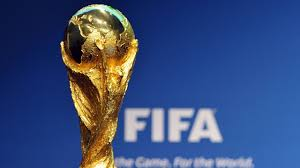

The World Cup is one of the most exciting and widely watched sporting events in the world. It brings together the best teams from different countries to compete for the ultimate title of world champion. Whether it is football (soccer), cricket, or other sports, the World Cup represents passion, unity, and global competition. Among all versions, the most popular is the FIFA World Cup, which captures the attention of billions of fans every four years.
1. History of the World Cup
The idea of a global tournament began in the early 20th century when international sports competitions became more organized. The first FIFA World Cup was held in 1930 in Uruguay. Since then, it has grown into the biggest sporting event in the world.
Over the decades, the tournament has expanded from a small number of teams to a highly competitive global event featuring teams from all continents. It has also become a symbol of international unity and sportsmanship.
2. Format of the Tournament
The World Cup follows a structured format:
- Qualification Stage: Teams from different regions compete to earn a spot in the main tournament.
- Group Stage: Qualified teams are divided into groups and play matches to earn points.
- Knockout Stage: The best teams from each group advance to elimination rounds.
- Final Match: The last two teams compete for the championship title.
This format ensures fair competition and gives every team a chance to prove itself on the global stage.
3. Importance of the World Cup
The World Cup is not just a sports event; it is a global celebration. It has several important impacts:
- Cultural Exchange: People from different countries come together and share their cultures.
- Economic Boost: Host countries benefit from tourism, sponsorships, and global attention.
- National Pride: Winning or even participating in the World Cup brings pride to a nation.
- Inspiration for Youth: Millions of young athletes dream of playing in the World Cup one day.
4. Famous Moments in World Cup History
The tournament has produced unforgettable moments, such as:
- Legendary goals and record-breaking performances
- Historic victories by underdog teams
- Iconic players becoming global superstars
These moments are remembered by fans for generations and add to the magic of the tournament.
5. World Cup in Modern Times
Today, the World Cup is more advanced than ever. Technology like VAR (Video Assistant Referee) is used to ensure fair decisions. Broadcasting reaches billions of viewers worldwide through TV and online platforms. Social media also plays a huge role in connecting fans instantly.
The tournament continues to grow in popularity, becoming more inclusive and competitive with each edition.
FAQs
1. What is the World Cup?
The World Cup is an international sports tournament where national teams compete to become world champions.
2. Which is the most popular World Cup?
The most popular is the FIFA World Cup, which is related to football (soccer).
3. How often is the World Cup held?
It is usually held every four years.
4. How many teams participate?
In the FIFA World Cup, 32 teams currently compete, but this number may increase in future editions.
5. Who has won the most World Cups?
Brazil has won the most FIFA World Cup titles in history.
Conclusion
The World Cup is more than just a competition; it is a global festival of sport, unity, and passion. It brings together millions of people from different cultures and backgrounds, all united by their love for the game. From historic matches to unforgettable moments, the World Cup continues to inspire generations. Whether you are a casual viewer or a dedicated fan, the excitement of the World Cup is something truly special that connects the entire world.