
Introduction
The freelance economy continues to grow at an impressive pace, giving professionals more opportunities than ever before to build independent careers online. Whether you are a writer, designer, developer, virtual assistant, marketer, or consultant, finding the right platform can significantly influence your success.
The challenge is that there are now countless freelance marketplaces competing for attention.
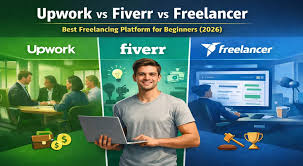
Each platform offers different features, fee structures, client types, and opportunities. For beginners, choosing where to start can feel overwhelming. Many freelancers spend weeks creating profiles on multiple platforms without understanding which one aligns best with their goals. If you are researching a paghahambing ng mga freelance platform, understanding the strengths and limitations of each option can save time and improve your chances of success.
The truth is that there is no universal “best” freelance platform.
The right choice depends on your skills, experience level, preferred working style, and long-term objectives.
Why Freelance Platforms Matter
Freelance marketplaces serve as bridges between clients and service providers.
They help businesses find talent while allowing freelancers to access projects from around the world.
Most platforms provide:
- Client discovery
- Payment protection
- Communication tools
- Portfolio hosting
- Project management features
- Review systems
These benefits make it easier for freelancers to establish credibility and secure work, particularly during the early stages of their careers.
However, each platform approaches these functions differently.
Understanding those differences is important.
The Rise of Platform-Based Freelancing
Over the past decade, freelance marketplaces have become a major part of the global workforce.
Businesses increasingly use freelance talent to:
- Reduce hiring costs
- Access specialised expertise
- Scale projects quickly
- Improve operational flexibility
As a result, online platforms have expanded significantly.
Freelancers can now choose from marketplaces designed for:
- Beginners
- Experienced professionals
- Creative services
- Technical skills
- Long-term contracts
- Short-term projects
The variety creates opportunity, but it also creates confusion.
Choosing wisely can accelerate career growth.
Upwork: Built for Long-Term Client Relationships
Upwork remains one of the largest freelance marketplaces in the world.
Its model focuses heavily on proposals and client relationships.
Instead of listing fixed services, freelancers typically submit proposals to client job postings.
Advantages include:
- Access to larger projects
- Long-term contracts
- Corporate clients
- Higher-value opportunities
- Hourly and fixed-price options
Many businesses use Upwork to hire ongoing support rather than one-off services. Upwork is known for proposal-based hiring and long-term client collaboration opportunities. However, beginners often face challenges because competition can be intense.
Winning early projects requires strong proposals and patience.
Fiverr: Simplicity and Speed
Fiverr uses a different approach.
Rather than applying for jobs, freelancers create service listings known as gigs.
Clients browse available services and place orders directly.
Benefits include:
- Easier entry for beginners
- Passive lead generation
- Fixed-price packages
- Faster purchasing process
- Simplified service presentation
Many new freelancers appreciate Fiverr because they do not need to write proposals constantly. Fiverr’s gig-based system allows clients to purchase predefined services directly from freelancers.
The platform works particularly well for:
- Graphic design
- Content writing
- Video editing
- Voice-over work
- Marketing services
Success often depends on visibility and profile optimisation.
Emerging Platforms and New Opportunities
While Upwork and Fiverr dominate discussions, newer platforms continue entering the market.
These alternatives often focus on solving specific freelancer challenges such as:
- Lower competition
- Better visibility
- Simplified onboarding
- Fairer fee structures
- Community support
Many freelancers explore newer marketplaces because they offer opportunities to stand out before markets become saturated.
For beginners especially, reduced competition can be a significant advantage.
Comparing the Client Experience
Freelancers often focus on their own experience while overlooking how clients use these platforms.
Client behaviour directly affects opportunities.
Clients generally prefer platforms that offer:
- Easy hiring
- Clear pricing
- Reliable communication
- Secure payments
- Fast project completion
Platforms attracting quality clients often create better opportunities for freelancers.
The quality of the marketplace frequently matters more than the size of the marketplace.
Which Platform Is Better for Beginners?
Beginners usually need three things:
- Visibility
- Experience
- Reviews
Without reviews, securing work can be challenging.
Platforms that simplify client acquisition often provide an easier starting point.
Many newcomers find gig-based systems easier because clients discover them directly rather than requiring extensive proposal writing. Several freelance platform comparisons note that Fiverr tends to be more beginner-friendly, while Upwork often rewards freelancers who develop strong proposal and relationship-building skills.
However, individual results vary.
Success depends on effort, positioning, and skill quality.
Understanding Platform Fees
Fees play a major role in freelancer earnings.
Different marketplaces use different pricing models.
Common fee structures include:
- Percentage-based commissions
- Subscription plans
- Project fees
- Service charges
Freelancers should evaluate how platform costs affect profitability.
A platform offering higher-paying clients may justify higher fees.
The goal is maximising net income rather than focusing exclusively on commission percentages.
The Importance of Niche Positioning
Regardless of platform choice, niche positioning remains important.
Generalists often face greater competition.
Specialists frequently attract better opportunities.
Examples include:
- SEO content writing
- WordPress development
- Social media management
- E-commerce design
- Video production
- Virtual assistance
Clients searching for specific expertise are often willing to pay higher rates.
The clearer your positioning, the easier it becomes to stand out.
Building a Sustainable Freelance Career
Platforms help freelancers find clients.
They should not become the entire business strategy.
Long-term success often involves:
- Building relationships
- Developing a portfolio
- Generating referrals
- Improving skills
- Strengthening personal branding
Many successful freelancers eventually receive work from repeat clients and referrals rather than relying solely on marketplace visibility.
Platforms are valuable tools.
They work best as part of a broader strategy.
Choosing Based on Your Working Style
Different freelancers prefer different approaches.
Some enjoy pitching clients and writing proposals.
Others prefer creating service packages and allowing clients to approach them.
Consider:
- Do you enjoy sales conversations?
- Do you prefer fixed packages?
- Are you targeting long-term clients?
- Do you want project variety?
- Are you focused on speed or stability?
Your answers can help determine which platform fits your preferences.
The best platform is often the one that complements your natural strengths.
Avoiding Common Mistakes
New freelancers frequently make mistakes such as:
- Joining too many platforms at once
- Under-pricing services
- Ignoring profile optimisation
- Applying for irrelevant projects
- Neglecting client communication
Success usually comes from consistency rather than platform selection alone.
Even the best marketplace cannot compensate for weak positioning or poor service delivery.
Professionalism remains one of the most valuable assets a freelancer can develop.
Finding the Right Fit for 2026
The freelance landscape continues evolving, and there is no single platform that suits everyone. Upwork, Fiverr, and emerging alternatives each offer unique advantages depending on your experience level, goals, and preferred working style.
Some freelancers thrive in proposal-based environments.
Others excel with productised service models.
The key is understanding how each platform operates and choosing one that aligns with your strengths.
The most successful freelancers are rarely those who spend all their time searching for the perfect platform.
They are the ones who consistently improve their skills, deliver quality work, communicate professionally, and build strong client relationships.
A platform can create opportunities.
What you do with those opportunities ultimately determines your success.