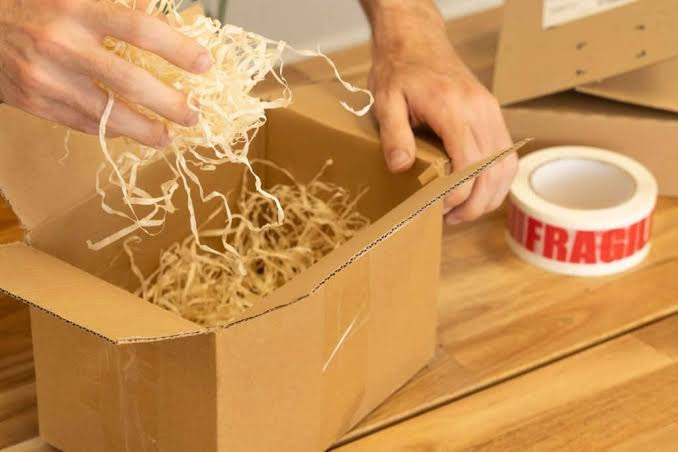

Few things sour a moving day faster than opening a box to find shattered glass or a cracked picture frame. Fragile items are the most common casualties of any move, and almost every breakage traces back to the same causes: the wrong box, too little cushioning, or items that were free to shift in transit. With the right materials and a bit of patience, you can pack even the most delicate belongings with confidence.
Start With the Right Supplies
Good packing begins before you wrap a single item. Invest in new, double-walled boxes for anything breakable. Used boxes from grocery stores are fine for books and linens but lose structural strength with each use, which is exactly what you don’t want beneath a stack of dinner plates.
You will also need packing paper, bubble wrap, foam sheets, strong packing tape, and a marker. Dish-pack boxes with cardboard cell dividers are worth buying for glassware and stemware. Avoid newspaper as a primary wrap, since ink transfers onto ceramics and light-colored surfaces.
Keep a roll of “Fragile” stickers or simply write the word in large letters on multiple sides of each box. Professional Movers look for those labels when deciding where a box goes on the truck, and clearly marked boxes are far less likely to end up at the bottom of a stack.
Packing Dishes and Glassware
Line the bottom of the box with several inches of crumpled paper to create a cushion. Wrap each plate individually in packing paper, then stack plates on their edges rather than flat. A plate standing vertically distributes pressure along its strongest axis, while a flat stack concentrates weight on the bottom piece.
For glasses and mugs, stuff the inside with crumpled paper before wrapping the outside. Stemware needs extra attention: wrap the stem separately with a strip of bubble wrap, then wrap the whole glass. Place glasses upright in cell dividers, never on their sides.
Fill every gap with paper so nothing can move when the box is tilted. Give the closed box a gentle shake; if you hear anything shift, open it and add more filler. Keep dish boxes under forty pounds so they can be carried safely and stacked without crushing.
Electronics and Small Appliances
The original box is always the best container for a television, computer, or gaming console. If you no longer have it, use a box slightly larger than the item and fill the surrounding space with foam or bubble wrap. Wrap screens in a soft blanket or foam sheet first, then bubble wrap, and never let tape touch the screen surface.
Before disconnecting anything, take a photo of the cable setup. Label each cord with masking tape and place them in a bag taped to the device they belong to. Remove batteries and ink cartridges, and back up important data before packing a computer.
Small appliances such as blenders and coffee makers should be cleaned, dried, and packed with their loose parts wrapped separately. Secure moving parts with tape and pack them upright.
Artwork, Mirrors, and Frames
Flat, rigid items break when they flex or when something presses against the glass. Start by placing a strip of painter’s tape in an X across the glass; this won’t prevent breakage but keeps shards together if the worst happens. Cover the front with a sheet of cardboard or foam board cut to size, then wrap the whole piece in bubble wrap.
Use picture boxes or telescoping mirror cartons, which adjust to fit the item. Pack frames vertically, never flat, and fill the sides with crumpled paper so the piece cannot slide. Canvas paintings without glass should be wrapped in acid-free paper before bubble wrap to protect the surface.
For very valuable or oversized art, custom wooden crates are the safest option. Many moving companies offer crating as an add-on service, and for a single irreplaceable piece the cost is often worth it.
Lamps, Collectibles, and Odd Shapes
Remove lampshades and bulbs and pack them separately. Shades should go in their own box with paper around them but nothing on top. Wrap lamp bases in bubble wrap and place them upright in a box with the cord taped to the base.
Collectibles such as figurines, china, and crystal deserve the double-wrap method: a layer of paper to protect the finish, then a layer of bubble wrap for impact. Place each item in its own small box if possible, then nest those small boxes inside a larger one with cushioning between them. This approach adds a little time but dramatically reduces the risk of contact damage.
Irregularly shaped items like vases and sculptures need extra attention at their weakest points, usually handles, necks, and protruding elements. Wrap these areas first, then wrap the entire piece.
Labeling and Loading
Every fragile box should be marked with the word “Fragile,” an arrow indicating which side is up, and the room it belongs in. Add a brief description of the contents so you know what to unpack carefully. Keep a list of these boxes and their contents for insurance purposes.
On moving day, tell the crew which boxes require special care and ask that they be loaded last so they come off first and sit on top of heavier items. If you are moving yourself, load fragile boxes after the furniture, wedge them so they cannot shift, and never stack anything heavy on top.
Careful packing takes longer than tossing things in a box, but the extra hour spent wrapping properly is far cheaper than replacing a set of wedding china. Give your breakables the attention they deserve and they will make it to your new home ready to be unpacked, not swept up.