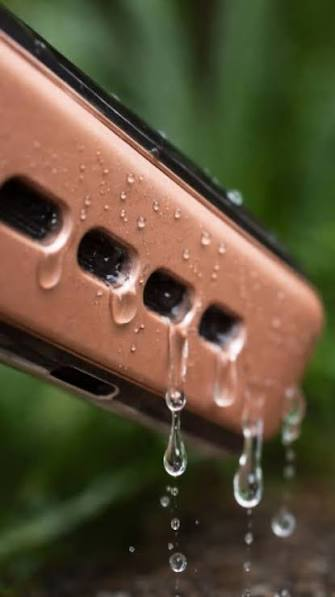

A dirty speaker can affect sound quality, making music, calls, videos, and other audio sound muffled or quieter than normal. Dust, lint, and small particles can gradually collect around speaker openings, especially on smartphones and portable devices.
If you are searching for how to clean a speaker safely, the good news is that basic cleaning does not require complicated equipment. With the right approach, you can remove surface dust while reducing the risk of damaging the speaker.
Why Do Speakers Get Dirty?
Speakers have openings that allow sound to travel from the internal components to the outside. These openings are exposed to the surrounding environment, which means they can collect dust and debris.
Common sources of speaker dirt include:
- Dust and household particles
- Pocket lint
- Sand
- Food crumbs
- Pet hair
- Makeup residue
- Dirt from bags and surfaces
- Workplace debris
Over time, this buildup can cover the speaker grille and affect how sound travels.
Signs That a Speaker Needs Cleaning
You may notice several signs when a speaker has accumulated dust.
Common symptoms include:
- Muffled sound
- Lower-than-usual volume
- Distorted audio
- Crackling sounds
- Poor voice clarity
- Visible dust around the grille
- Sound that gradually becomes weaker
However, remember that poor audio is not always caused by dirt. Software issues, damaged components, and moisture can also affect speaker performance.
How to Clean a Speaker Safely
The safest way to clean a speaker is to begin with gentle methods. Avoid pushing anything deep into the speaker openings.
1. Turn Off the Device
Before cleaning, switch off your phone, tablet, laptop, or other device.
Disconnect charging cables and accessories, then place the device on a clean, dry surface. Good lighting can make it easier to identify dust around the speaker grille.
2. Use a Soft Brush
A soft-bristled brush is one of the easiest tools for removing loose dust.
Gently move the brush across the speaker grille using light strokes. Avoid pressing hard or pushing the bristles deep into the openings.
An electronics-cleaning brush is ideal. A clean, soft toothbrush can also be used carefully for surface dust.
3. Wipe the Speaker Area
After brushing, use a clean, dry microfiber cloth around the speaker.
Do not force the cloth into the openings. Instead, gently wipe the surrounding surface to remove dust and fingerprints.
4. Use Gentle Airflow
Gentle airflow can help remove loose particles that remain after brushing.
Avoid using powerful compressed air directly against the speaker. High pressure can push debris further inside the device.
You should also avoid blowing into the speaker with your mouth because your breath contains moisture.
Can Sound Help Clean a Speaker?
In some situations, sound-based cleaning tools may help move small amounts of moisture or loose particles away from a speaker.
If you are looking for an online tool that can help with this type of issue, Fix My Speaker is one option you can explore.
Sound-based methods are not a replacement for physical cleaning when the speaker grille is visibly blocked with dust. They are better considered as an additional option for certain minor speaker issues.
What Should You Avoid?
Knowing what not to do is just as important as knowing how to clean a speaker.
Avoid inserting sharp objects into the speaker, including:
- Needles
- Pins
- Paper clips
- Blades
- Metal picks
- Sharp tools
These objects can damage the speaker mesh or internal components. They can also push dust deeper into the device.
Do not use excessive force, even when visible debris seems difficult to remove. If particles are stuck inside the speaker, professional cleaning may be safer.
Can You Use Water?
Directly applying water to a speaker is generally not recommended.
Even devices with water-resistance ratings should not be intentionally exposed to liquid during normal cleaning. Water resistance can also become weaker after drops, cracks, repairs, or long-term use.
For routine cleaning, dry methods such as a soft brush and microfiber cloth are safer choices.
If the device has been exposed to liquid, follow the manufacturer’s instructions for drying it.
How Often Should You Clean a Speaker?
There is no universal cleaning schedule. How often you need to clean a speaker depends on your environment and how frequently you use the device.
If you keep your smartphone in your pocket every day, inspect the speaker every few weeks. If you work around dust or sand, you may need to check it more frequently.
A simple maintenance routine is:
- Inspect the speaker grille.
- Check for visible dust.
- Brush gently with a soft brush.
- Wipe around the speaker with microfiber.
- Test the sound.
Regular light cleaning is usually better than waiting until a large amount of debris has accumulated.
How to Prevent Speaker Dust
Prevention can reduce the need for frequent cleaning.
Keep your device away from dusty surfaces and avoid placing it directly on dirty tables or floors. Clean your phone case regularly because dirt inside the case can move toward speaker openings.
When working in a dusty environment, keep your device in a clean pocket or protective pouch when possible.
You should also avoid eating directly over your device because small crumbs can easily reach speaker openings.
What If Cleaning Does Not Improve Sound?
If the speaker still sounds muffled or distorted after careful cleaning, dirt may not be the main problem.
Other possible causes include:
- Hardware damage
- Water exposure
- Damaged speaker components
- Software problems
- Incorrect sound settings
- Physical damage from a fall
Restart the device and check its audio settings. Test different applications to determine whether the problem affects all audio or only one app.
If the problem continues, professional inspection may be necessary.
Final Thoughts
Learning how to clean a speaker can help you maintain better sound quality and keep your device in good condition. For everyday dust, a soft brush and dry microfiber cloth are usually enough.
Avoid sharp objects, excessive pressure, strong compressed air, and unnecessary moisture. If you are dealing with minor moisture or loose particles, Fix My Speaker can also be explored as a convenient sound-based option.
With gentle cleaning and regular maintenance, you can reduce dust buildup and help your speaker deliver clearer audio for longer.