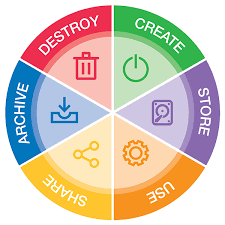

Every piece of enterprise data follows a journey. It is created processed accessed frequently and eventually becomes inactive. Managing this lifecycle effectively is critical for controlling costs maintaining performance and ensuring compliance. Storage lifecycle management provides a structured framework to manage data across its entire lifespan while aligning storage resources with business needs.
Why Storage Lifecycle Management Matters in Modern IT
As data volumes grow across hybrid and multi cloud environments organizations need a smarter approach to storage. Storage lifecycle management ensures that data is stored in the right place at the right time based on its value and usage.
This approach focuses on:
- Classifying data based on access frequency
- Moving data across storage tiers automatically
- Retaining data according to compliance requirements
- Optimizing storage performance and cost
By aligning storage with data value enterprises can significantly improve efficiency.
Research from Gartner shows that organizations implementing lifecycle strategies can reduce storage costs by up to 40 percent. This makes lifecycle management a key component of modern data strategies.
Core Components of Storage Lifecycle Management
Effective storage lifecycle management relies on a combination of policies automation and analytics. These components work together to ensure that data is handled efficiently throughout its lifecycle.
Core components include:
- Data classification based on usage and business value
- Policy driven data movement across storage tiers
- Automated archival and deletion processes
- Continuous monitoring and reporting
These elements enable IT teams to manage large volumes of data without manual intervention.
From a technical perspective lifecycle management uses metadata analysis to identify patterns in data usage. This allows systems to determine when data should be moved to lower cost storage or archived.
Cost Control Through Intelligent Tiering
Storage costs can escalate quickly if data is not managed properly. High performance storage is significantly more expensive than archival or cold storage options.
Storage lifecycle management reduces costs through:
- Tiering inactive data to lower cost storage
- Eliminating redundant or obsolete data
- Optimizing storage utilization
- Reducing infrastructure expansion needs
McKinsey & Company estimates that effective data tiering can lower total storage costs by up to 30 percent. This provides immediate financial benefits for enterprises managing large datasets.
For IT leaders this means better budget control and the ability to invest in innovation.
Improving Performance and Availability
Not all data requires the same level of performance. Frequently accessed data needs high speed storage while inactive data does not.
Storage lifecycle management improves performance by:
- Keeping active data on high performance storage
- Reducing load on primary storage systems
- Ensuring faster access to critical data
- Balancing workloads across storage tiers
This targeted approach ensures that applications receive the performance they need without unnecessary overhead.
Improved performance also enhances user experience and supports data intensive workloads such as analytics and AI.
Automation and Operational Efficiency
Managing data manually across its lifecycle is not scalable. Automation is essential to handle growing data volumes and complexity.
Lifecycle management platforms enable:
- Automated policy enforcement
- Scheduled data movement and archival
- Real time monitoring and alerts
- Integration with existing IT systems
These capabilities reduce manual effort and ensure consistent execution of data policies.
According to Forrester automation can improve operational efficiency by up to 50 percent. This allows IT teams to focus on strategic initiatives rather than routine tasks.
Scalability in Hybrid and Multi Cloud Environments
Enterprises increasingly operate across multiple environments including on premises systems and cloud platforms. Managing data across these environments requires flexibility and scalability.
storage lifecycle management supports this by:
- Enabling seamless data movement across environments
- Providing centralized control over distributed storage
- Supporting large scale data growth
- Adapting to changing workload requirements
This scalability ensures that organizations can manage data effectively as their infrastructure evolves.
For example enterprises can archive older data to cloud storage while keeping active workloads on premises for performance.
Key Differentiators of Lifecycle Management Solutions
Modern lifecycle management solutions offer advanced capabilities that go beyond basic storage management.
Key differentiators include:
- Intelligent data classification using analytics
- Automated and policy driven workflows
- Integration with hybrid and multi cloud platforms
- Strong focus on compliance and governance
These features enable organizations to manage data proactively rather than reactively.
Business Impact and Strategic Benefits
From a business perspective storage lifecycle management delivers measurable value by aligning data storage with organizational goals.
Key benefits include:
- Reduced storage and infrastructure costs
- Improved data accessibility and performance
- Enhanced compliance and risk management
- Greater operational efficiency
For CIOs and data leaders this translates into a more agile and cost effective IT environment.
Featured Snippet: What is Storage Lifecycle Management?
Storage lifecycle management is the process of managing data throughout its lifecycle from creation to deletion. It involves classifying data moving it across storage tiers and optimizing cost performance and compliance.
Key functions include:
- Monitoring data usage
- Automating data movement
- Managing retention policies
- Optimizing storage resources
This approach helps enterprises handle growing data volumes efficiently.
Conclusion
As data continues to grow organizations must adopt structured approaches to manage it effectively. storage lifecycle management provides a clear framework for optimizing storage resources while maintaining performance and compliance.
By combining automation analytics and tiered storage strategies it enables enterprises to reduce costs improve efficiency and scale seamlessly. For IT leaders focused on long term sustainability and operational excellence lifecycle management is a foundational element of modern data infrastructure.