Wireless earbuds are the most worn gadget most people own — hours a day, in ears that are all shaped differently, for music, calls, commutes and workouts at once. Yet they are usually bought from a photograph and a battery number, which is how drawers fill with pairs that hurt, fall out or make you sound underwater on calls. Learning how to choose wireless earbuds means ranking the factors by how they will actually feel over a year of daily use: fit first, because nothing else matters if they will not stay in; then the practical quartet of battery, sound, noise control and microphones. This guide runs the decision in that order.
Fit and Seal: the Purchase Is Made or Lost Here
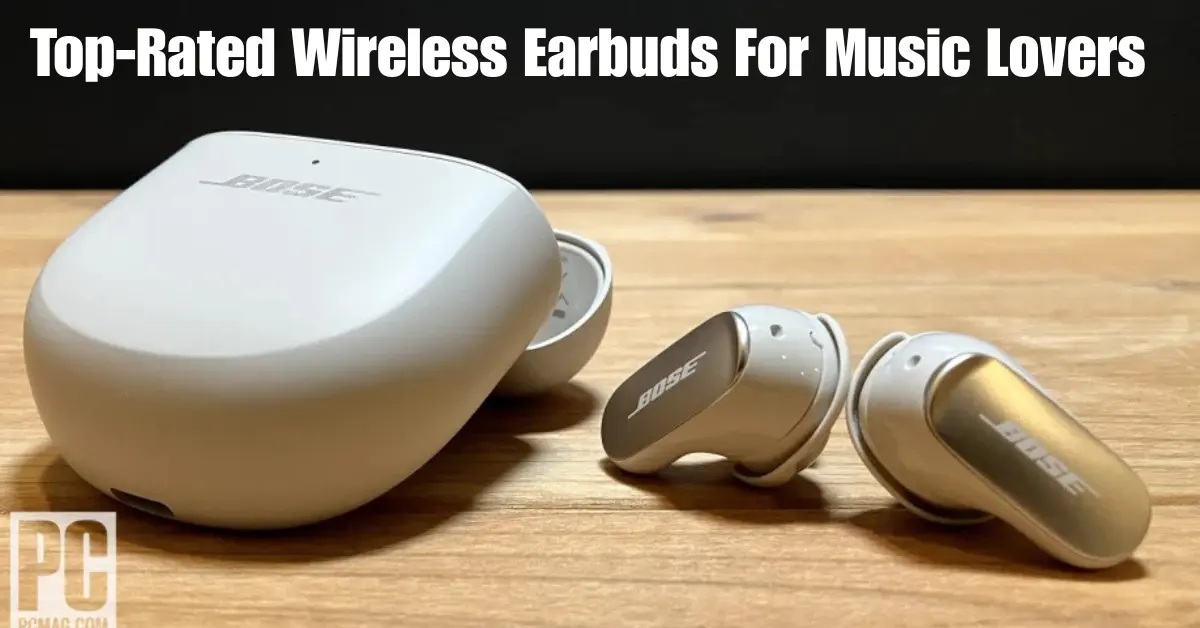
Ears vary more than any spec sheet admits, so fit is personal in a way no review can decide for you — but the principles narrow the field. In-ear models seal the ear canal with silicone or foam tips; the seal is not just comfort, it is the bass response and half the noise isolation, so a box with multiple tip sizes (and the patience to try them all — most people need different sizes per ear) matters more than driver diameter. Semi-open designs rest at the canal’s entrance, trading bass and isolation for awareness and comfort for seal-averse ears. Stems, hooks and wingtips each suit different uses: hooks and fins for sport, small low-profile bodies for side-sleepers and helmet wearers, stems for clearer call microphones. One more comfort factor hides in plain sight: weight per bud — a gram or two sounds trivial in a spec list and is anything but at hour three, so favour the lighter of two otherwise-equal finalists, especially if you wear them for work calls all day. The tests that count happen in the first week: wear them for a full hour (pain at minute forty is the classic failure), shake your head, talk, chew — if the retailer allows returns, use that window ruthlessly, because a perfect-on-paper pair that your ears reject is simply the wrong pair.
Battery: Read Both Numbers, and the Quick-Charge Fine Print
Every listing quotes two battery figures and emphasises the larger: the case’s total (buds plus recharges) and the buds’ own continuous playtime, which is the number your day actually experiences — five to eight hours is the current honest range, with noise cancelling switched on reducing it. Judge by your longest single session, not your weekly total: a commuter needs three honest hours; a long-haul traveller needs the case’s fast top-ups, where ten minutes in the case returning an hour or two of play is the feature that rescues real days. Wireless charging is a convenience worth having if your life already runs on charging pads; USB-C is now standard. And remember the chemistry’s limit: these are sealed, unreplaceable batteries with a two-to-four-year comfortable life, so buy the pair as a medium-term device — the same value logic this site applies in its guide to the best budget laptops, where total life, not launch price, decides what “budget” honestly means.
Sound and Codecs: What Your Phone Can Actually Send
Sound quality is a chain: the music file, the Bluetooth codec that carries it, the drivers that reproduce it — and the weakest link governs. Codec literacy is simple: SBC is the universal baseline; AAC performs best with Apple devices; aptX variants serve many Android phones; LDAC offers the highest bitrate where both ends support it, at some battery cost. A flagship codec your phone cannot speak buys you nothing, so match the buds to your phone’s ecosystem first — which is also where features concentrate (spatial audio, seamless device switching, find-my-buds, on-device processing of the kind our companion piece on how edge AI works explains, now living inside earbuds for adaptive noise control and voice isolation). Beyond codecs, prefer reviewers’ descriptions of tuning you can relate to (bass weight, vocal clarity, treble bite) over driver-size numbers, and use the app’s equaliser — most modern buds allow real adjustment, which forgives many tuning disagreements.
Noise Cancelling and Microphones: the Two-Way Tests
Active noise cancelling (ANC) quality varies enormously and marketing says nothing useful about it; what matters is the drone test — planes, trains, air conditioning — where good ANC deletes the low roar and mediocre ANC merely muffles it, plus a transparency mode natural enough to hold a conversation through, which you will use daily. Wind handling separates the grown-ups: cheap ANC turns a breezy street into a roaring tunnel. Microphones are the other half of the product and the half most buyers never test until a colleague says “you sound far away”: multiple mics with beamforming and wind/noise suppression decide whether your calls sound office-clear from a pavement. Test in the return window with a real call from a real street. Water resistance ratings complete the practical audit — IPX4 shrugs off sweat and rain; higher buys swimming-adjacent confidence few need.
The Buying Order, Summarised
Run the decision in sequence: ecosystem match (your phone’s codecs and features) → fit type for your ears and uses → buds-only battery against your longest day → ANC and call quality proven by reviews that test them → price, last, across the two-to-four-year life the batteries allow. Skip the pairs that compete on paper ornaments (wireless charging speed, case gimmicks, driver counts) while failing the sequence. Then care for the purchase: clean tips and contacts monthly, update firmware, store them in the case rather than pockets. Knowing how to choose wireless earbuds turns the most impulse-prone gadget purchase into the same calm process as any other tool: fit the body first, verify the functions you will use daily, and let the marketing shout about the rest to somebody else.