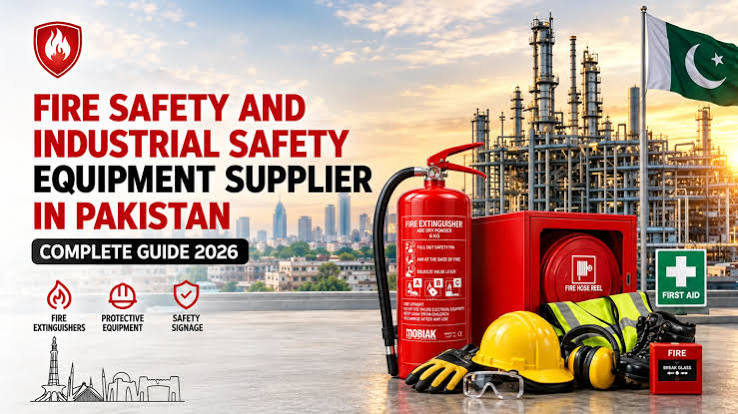

The gear you provide to your workforce is only as good as the company that supplies it. Helmets, gloves, respirators, harnesses, and eye protection are meant to stand between your people and serious harm. If the equipment is substandard, poorly fitted, or delivered late, the consequences can be severe.
Choosing a safety equipment supplier is therefore more than a purchasing decision. It is a decision about reliability, compliance, and the wellbeing of your team. This guide explains what to look for, which questions to ask, and how to build a lasting supplier relationship.
Why the Right Supplier Matters
A good supplier does more than sell products. They help you identify the right equipment for your hazards, keep you compliant with regulations, deliver on time, and support you when problems arise. A poor supplier can leave you with counterfeit items, unreliable stock, confusing paperwork, and no help when an inspector calls.
In short, the supplier becomes an extension of your safety program.
Start by Understanding Your Own Needs
Before contacting any supplier, clarify what you need.
Carry out a hazard assessment to determine which risks require protective equipment. List the categories: head, eye, hearing, respiratory, hand, foot, body, and fall protection, along with items such as first aid supplies, signage, spill kits, and fire safety products.
Estimate quantities, sizes, and how often items will need replacement. Note any industry-specific requirements, such as flame-resistant clothing, electrical insulation ratings, or chemical resistance. Knowing your needs makes it far easier to compare suppliers fairly.
Check Certifications and Standards
Safety equipment should meet recognized standards for its category. Depending on your location, these might include ANSI/ISEA, OSHA-related requirements, EN standards, CE marking, ISO certifications, or national standards.
Ask suppliers for documentation such as test certificates, declarations of conformity, and manufacturer specifications. Be cautious with vague claims like “industry approved” or “meets all standards” without proof. Counterfeit and mislabeled safety products exist, and using them can create a false sense of protection.
Evaluate Product Range and Quality
A supplier with a broad, well-organized catalog can serve most of your needs in one place, reducing administrative work. Check whether they carry reputable brands and offer options for different budgets, environments, and worker preferences.
Quality matters as much as variety. Request samples where possible so workers can test comfort, fit, and durability. Products that are comfortable and practical are more likely to be worn consistently, which is what makes protection effective.
Assess Stock Availability and Delivery
Safety gear is often needed urgently: a new hire arrives, a glove wears through, a shipment is delayed. Ask about typical stock levels, lead times, delivery coverage, and emergency ordering options. A dependable supplier communicates clearly about backorders and offers alternatives instead of leaving you guessing.
For larger operations, ask whether the supplier can manage inventory programs, such as vending machines, consignment stock, or scheduled replenishment.
Look at Technical Knowledge and Support
The best suppliers employ knowledgeable staff who understand hazards, regulations, and product performance. They can help you choose between similar items, explain rating systems, and recommend solutions you might not have considered.
Ask about services such as site assessments, fit testing for respirators, product training, and help with compliance documentation. Suppliers that invest in education tend to invest in quality too.
Consider Total Value, Not Just Price
Price is important, but the cheapest option is not always the best value. Low-cost gear that wears out quickly, fits poorly, or fails to meet standards can cost more in the long run through replacements, lost productivity, and potential injuries.
Compare the total cost of ownership: product lifespan, durability, comfort, compliance, delivery fees, and support. Volume discounts and long-term agreements can help, but should not come at the expense of quality.
Review Reputation and Track Record
Look for evidence of reliability. Ask for references from customers in similar industries. Read reviews, check how long the company has been operating, and see whether it works with recognized manufacturers. Consider how the supplier handles complaints, returns, and warranty claims, as this reveals a lot about their service culture.
Ease of Ordering and Communication
Modern suppliers should make it easy to do business. Look for clear catalogs, online ordering, order tracking, accurate invoices, and responsive customer service. Being able to reach a real person quickly when there is a problem is worth a great deal. For companies with several sites, consider whether the supplier can handle multi-location deliveries and centralized reporting.
Compliance and Documentation
Regulations may require you to keep records of equipment provided, training completed, and inspections carried out. A supplier who can provide safety data sheets, user instructions, certificates, and purchase records makes audits far easier. Make sure their paperwork is complete and accurate.
Sustainability and Ethical Practices
More organizations now consider the environmental and social impact of their supply chain. Ask about responsible sourcing, packaging, recycling programs for used items, and labor practices. Even if these are not your main criteria, they can indicate the supplier’s overall standards.
Red Flags to Watch For
Be careful if a supplier cannot provide certifications, offers prices far below the market without explanation, refuses to give references, has poor communication, uses unclear product labeling, or pressures you into quick decisions. Unusually vague answers about product origin or testing should also raise concern.
Questions to Ask Before Choosing
Can you provide certificates for the products I need? What is your typical delivery time, and how do you handle urgent orders? Do you offer sizing and training support? What is your return and warranty policy? Can you supply references from similar businesses? How do you ensure products are genuine? What happens if there is a supply shortage?
Building a Long-Term Partnership
Once you have selected a supplier, treat them as a partner. Share information about your work environment and upcoming projects. Give feedback about product performance and worker comments. Review your arrangement regularly, and adjust as your operation changes. A supplier who understands your business can anticipate needs and help you avoid problems before they occur.
Where to Start
For guidance on what to look for in a safety equipment supplier, this article is worth a look.
Final Thoughts
The right safety equipment supplier gives you more than products. They provide confidence that your team is protected by genuine, appropriate gear, backed by knowledge and reliable service. Take time to define your needs, verify certifications, compare total value, and test the supplier’s responsiveness. Choose a partner, not just a price, and your people, your compliance record, and your bottom line will all benefit.