Dead skin cell buildup frequently results in a dull complexion, uneven texture, clogged pores, and a noticeable lack of natural radiance. When these layers accumulate, topical serums and moisturizers struggle to penetrate the skin barrier effectively, diminishing their overall performance. Addressing this issue requires structural, targeted interventions designed to promote cellular turnover and uncover healthy, vibrant tissue underneath.
Exfoliants For Dead Skin Buildup By Rodan + Fields
The Technical Aspects of Sulfates
Sulfates are anionic surfactants widely utilized in cleansing formulas due to their highly efficient amphiphilic molecular structure. One end of the sulfate molecule binds readily to water, while the opposite end attaches to oils, sebum, and hydrophobic product residue. This dual affinity allows them to lower the surface tension of water, effectively lifting away dirt and cellular debris during rinsing.
While highly effective at deep cleansing, certain sulfates like Sodium Lauryl Sulfate (SLS) can occasionally disrupt the lipids within the stratum corneum. In exfoliating routines, excessive exposure to strong sulfates can strip natural moisture factors, altering physiological pH levels. Selecting a formula with carefully balanced surfactant concentrations is crucial for preserving the delicate skin and scalp barrier.
Identifying the Ideal Treatment Plan
Choosing a regimen to target accumulated debris requires structural evaluation of baseline tissue strength and hydration levels. Utilizing a systematic evaluation process ensures that the selected treatment effectively lifts buildup without inducing unwanted irritation.
- Assess the current oil production levels and structural barrier resilience.
- Identify whether chemical, physical, or enzymatic agents align best with the target area.
- Evaluate potential sensitivities to strong cleansing surfactants and foaming agents.
- Determine an optimal frequency that avoids the pitfalls of chronic over-exfoliation.
Dry/Damaged
When dealing with moisture-deprived or structurally compromised tissue, aggressive cleansing agents can cause micro-tears or deeper dehydration. These profiles require gentle, non-stripping exfoliants accompanied by lipid-replenishing emollients. Preserving the remaining natural oils while softly unbinding dead surface cells is vital for a smooth recovery.
Color-Treated
Chemically altered hair and surrounding follicular structures require extra care to avoid premature fading or structural degradation. Traditional high-foaming cleansers often strip color pigments alongside surface oils, leaving strands porous and vulnerable. Utilizing specialized, low-surfactant exfoliating treatments helps preserve chemical bonds while keeping the surface free of buildup.
Curly/Coily
Because natural oils struggle to travel down the unique structural twists of curly and coily patterns, these textures are inherently prone to dryness. Strong degreasers leave the fiber brittle, leading to frizz, loss of definition, and eventual breakage. Incorporating moisture-rich chemical exfoliants ensures the removal of stubborn residue while maintaining mandatory structural hydration.
Sensitive Scalp
An easily irritated or reactive dermis requires a completely non-aggressive approach to removing dead cells and product buildup. High concentrations of synthetic fragrance or rough physical particles can quickly trigger inflammatory responses or localized redness. Soothing botanical extracts combined with very mild, non-ionic surfactants offer a calm, effective cleansing alternative.
Notable Exceptions in Buildup Management
While gentle, sulfate-free alternatives remain highly recommended for standard maintenance, specific clinical and lifestyle scenarios call for stronger agents. Individuals who rely heavily on water-insoluble styling waxes or heavy silicones often require strong, clarifying surfactants to prevent follicular occlusion.
Furthermore, targeted dermatological conditions, such as severe seborrheic dermatitis, may briefly necessitate potent surfactant systems to deliver active medicinal ingredients. Complete avoidance is not an absolute rule, as temporary usage can yield structural benefits.
The Science and Ingredients of Cellular Turnover
Modern exfoliation relies heavily on biochemical interactions that loosen the microscopic bonds anchoring dead tissue to live epidermis. Alpha-hydroxy acids (AHAs), such as glycolic and lactic acids, work efficiently on the surface by dissolving the intercellular desmosomes (cellular glue). This allows dead cells to shed seamlessly, instantly brightening the overall tone.
Beta-hydroxy acids (BHAs), specifically salicylic acid, offer lipophilic attributes that enable them to penetrate deeply into oil-laden pores. This deep action dissolves trapped sebum and debris from within, making BHAs highly effective for acne-prone skin types. Combining these chemical actions with mild, spherical physical particles optimizes the desquamation process safely.
Tailoring the Regimen For Success
Regulating Frequency
Exfoliating too often can severely compromise the lipid barrier, inducing chronic inflammation, redness, and compensatory oil overproduction. Consistency yields far better structural results than aggressive, sporadic sessions, making a structured calendar highly beneficial. Most skin and scalp types achieve optimal equilibrium by scheduling treatments one to three times per week.
Balancing Hydration
Immediately following any deep clarifying or exfoliating process, the newly exposed surface layer requires immediate environmental protection. Introducing rich humectants, ceramides, or essential fatty acids helps reconstruct the protective moisture barrier rapidly. This crucial step seals in hydration, prevents transepidermal water loss, and maintains long-term structural suppleness.
The Optimal Wash Routine
To ensure thorough buildup removal without causing mechanical damage, a structured, methodical washing process should be strictly followed.
- Saturate the entire target area with lukewarm water for two minutes to loosen superficial debris and soften the outer cellular layers.
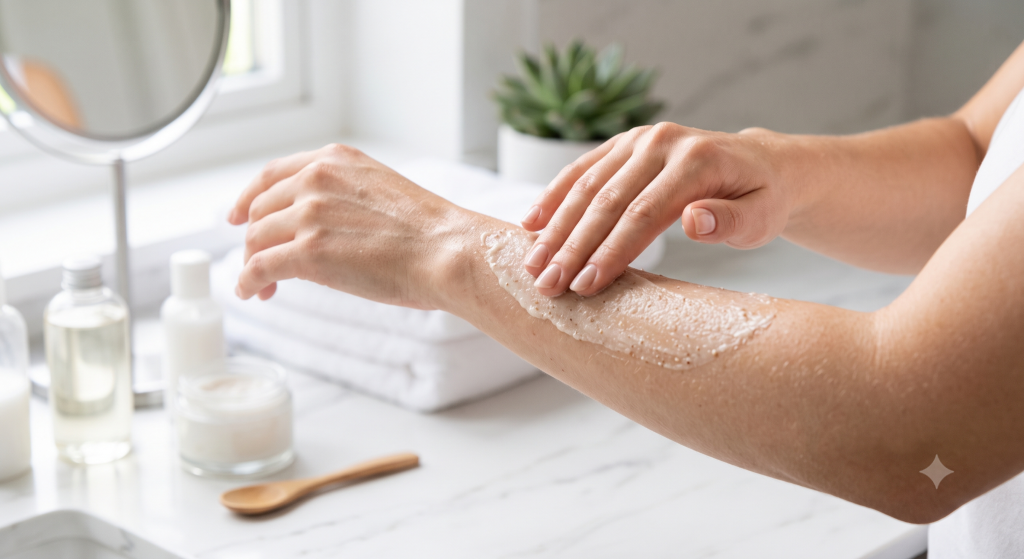
- Apply the chosen exfoliating formula, using light, uniform circular motions with the fingertips to steadily dislodge stubborn surface buildup.
- Allow chemical or enzymatic ingredients to rest on the surface for the exact duration recommended by the manufacturer guidelines.
- Rinse the area exhaustively with clean water, ensuring absolutely no active chemical residue or surfactant particles remain trapped.
- Apply a rich, restorative conditioning treatment or barrier-repair cream to instantly replenish essential moisture and protect the surface.
- Press a soft, clean microfiber towel gently against the area to dry it, avoiding aggressive physical rubbing or friction.